
TL;DR
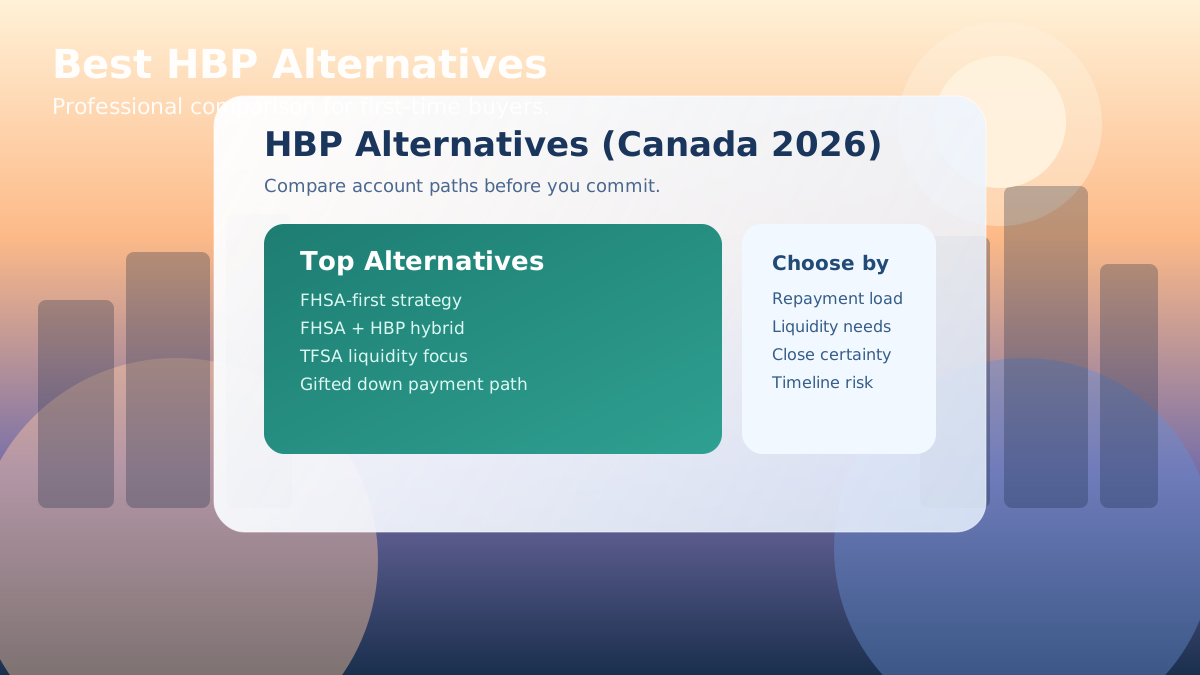
If you are eligible, FHSA is usually the highest-leverage account to fill first for first-home savings. After that, many buyers layer RRSP Home Buyers Plan and TFSA based on timeline, repayment tolerance, and liquidity needs.
The best stack is the one that protects your cash-to-close certainty, not the one with the most theoretical tax advantage.
Why this comparison matters
First-time buyers often ask one account question when they actually have a sequence question. The order of contributions can change your usable down payment and first-year stress level.
At-a-glance comparison for 2026 planning
| Option | Core tax profile | Repayment profile | Best use case |
|---|---|---|---|
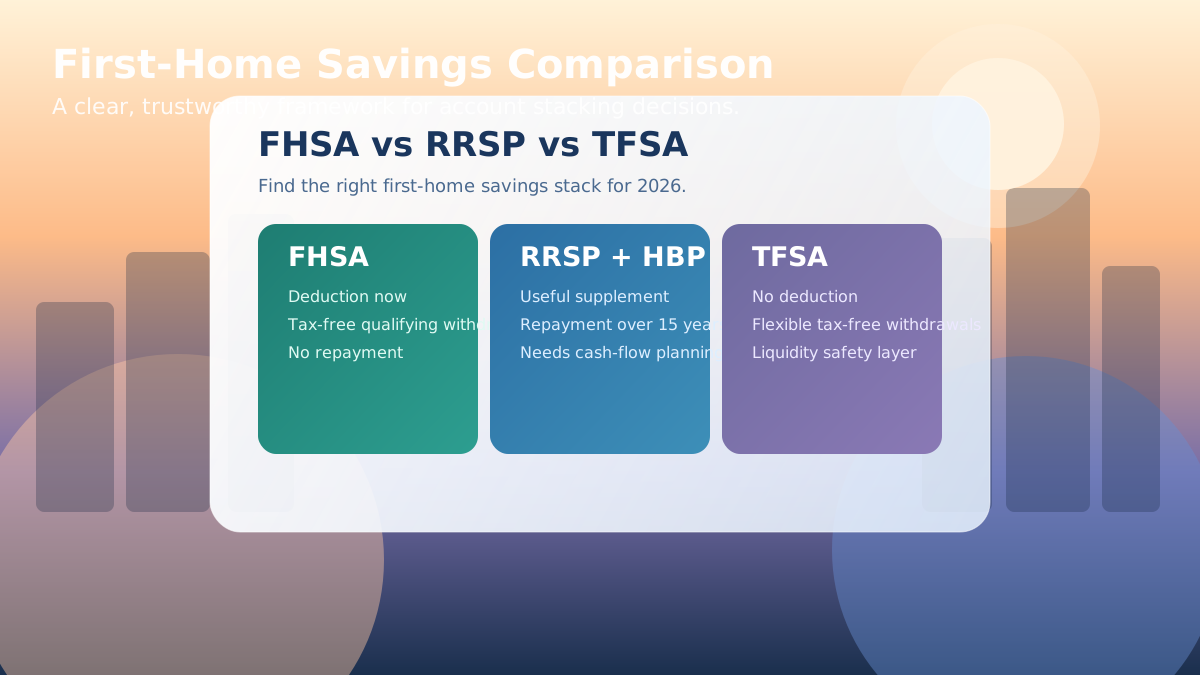
| FHSA | Contributions generally deductible; qualifying withdrawals tax-free | No repayment for qualifying withdrawals | Base layer for eligible first-time buyers |
| RRSP + HBP | RRSP deduction now, HBP withdrawal tax-free if repaid under rules | Repayment over 15 years | Supplement when FHSA alone is insufficient |
| TFSA | No deduction, growth and withdrawals generally tax-free | No repayment | Flexibility buffer and timing uncertainty hedge |
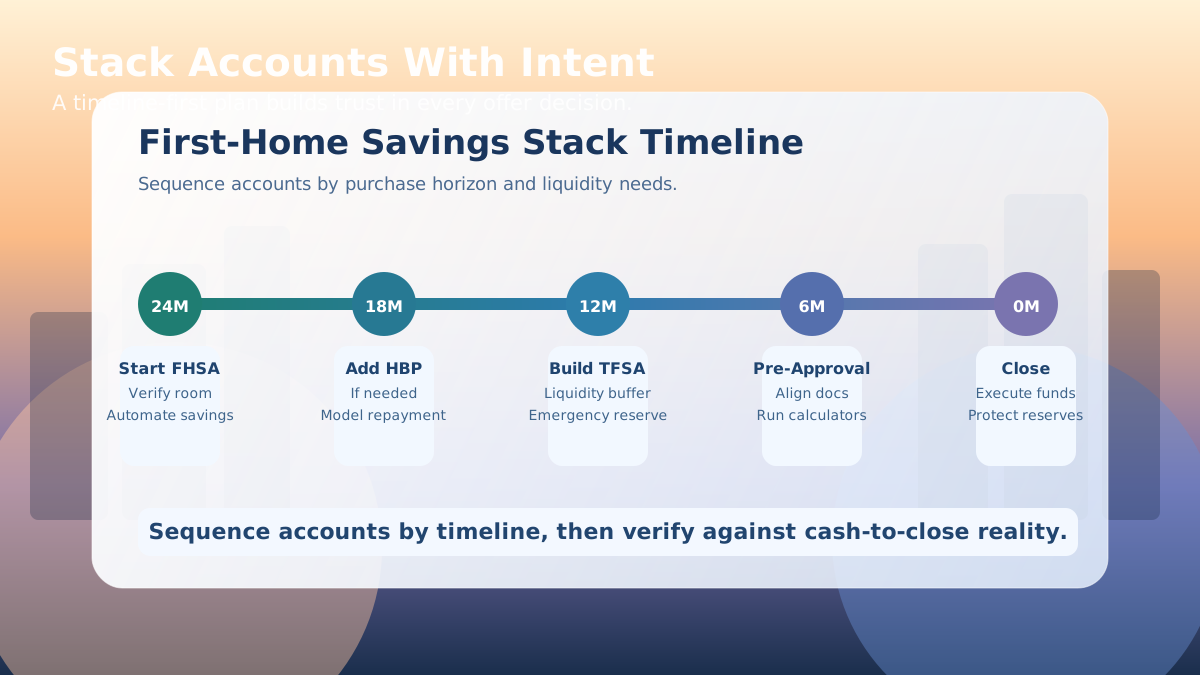
Recommended stack sequence
One behavior trap to avoid
Anchoring bias
focusing only on the biggest deduction today and ignoring repayment and cash-flow impact during your first ownership year.