

TL;DR
On February 26, 2026, Bill C-4 passed third reading in the Senate and was sent back to the House of Commons for consideration of Senate amendments.
If enacted, the measure would offer eligible first-time buyers up to $50,000 in GST relief on qualifying new homes. As of this update, it is not yet law until the final parliamentary steps and Royal Assent are complete.
What happened this week
The Senate adopted Bill C-4 at third reading on February 26, 2026. The legislative record shows the bill then returned to the House of Commons with Senate amendments.
Practical takeaway
treat this as an advanced-stage policy update, not a finalized rebate claim process yet.
What the proposed rebate includes
- Up to 100% GST relief on qualifying new homes priced up to $1 million.
- A phase-out for homes between $1 million and $1.5 million.
- No enhanced rebate for homes above $1.5 million.
Federal materials and PBO analysis continue to frame the maximum potential buyer relief at up to $50,000, with average support varying by purchase value and eligibility.
Timeline and eligibility details to watch closely
One of the key Senate changes is an earlier effective window for agreements. The amended bill text references agreements entered into after March 19, 2025 (rather than later spring timing used in earlier proposals).
The bill text also ties availability to construction timing (beginning before 2031 and substantial completion before 2036, subject to final enacted language and CRA administration).

How big could the impact be?
The Parliamentary Budget Officer has estimated the measure could cost about $1.9 billion over six years, with average support around $26,832 and roughly 71,700 eligible purchases over that period.
Finance Canada’s published background material cites a higher fiscal estimate over a different horizon and assumptions. The gap is mostly methodology and timing, not disagreement on core policy mechanics.
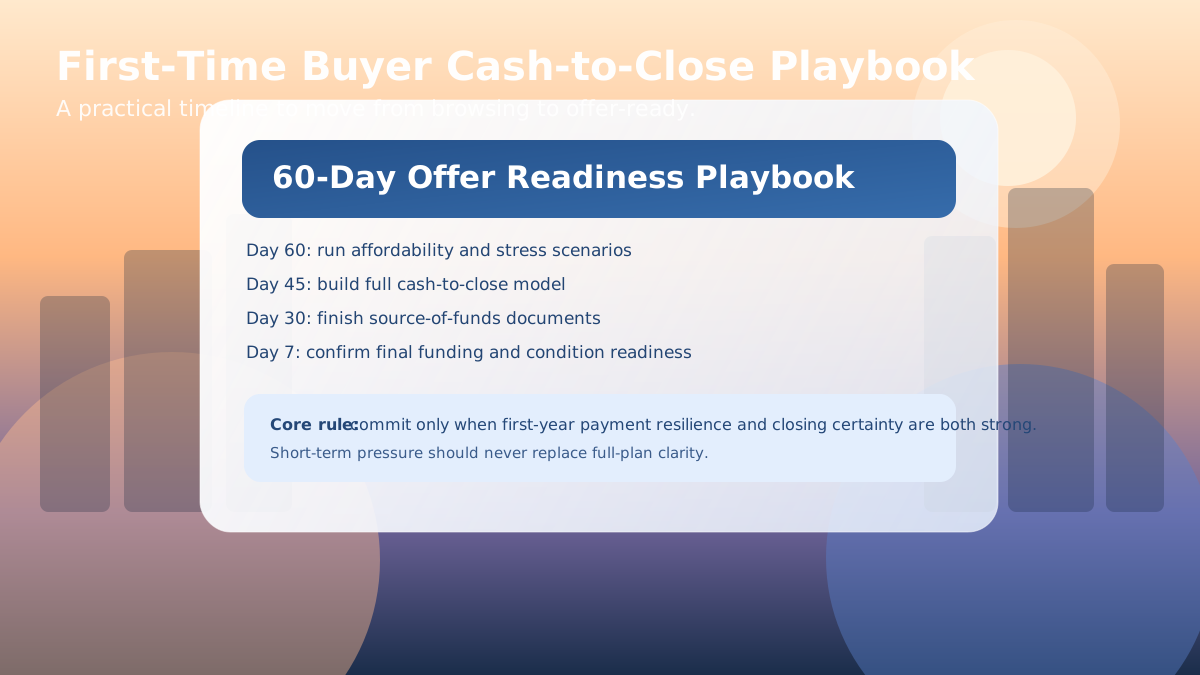
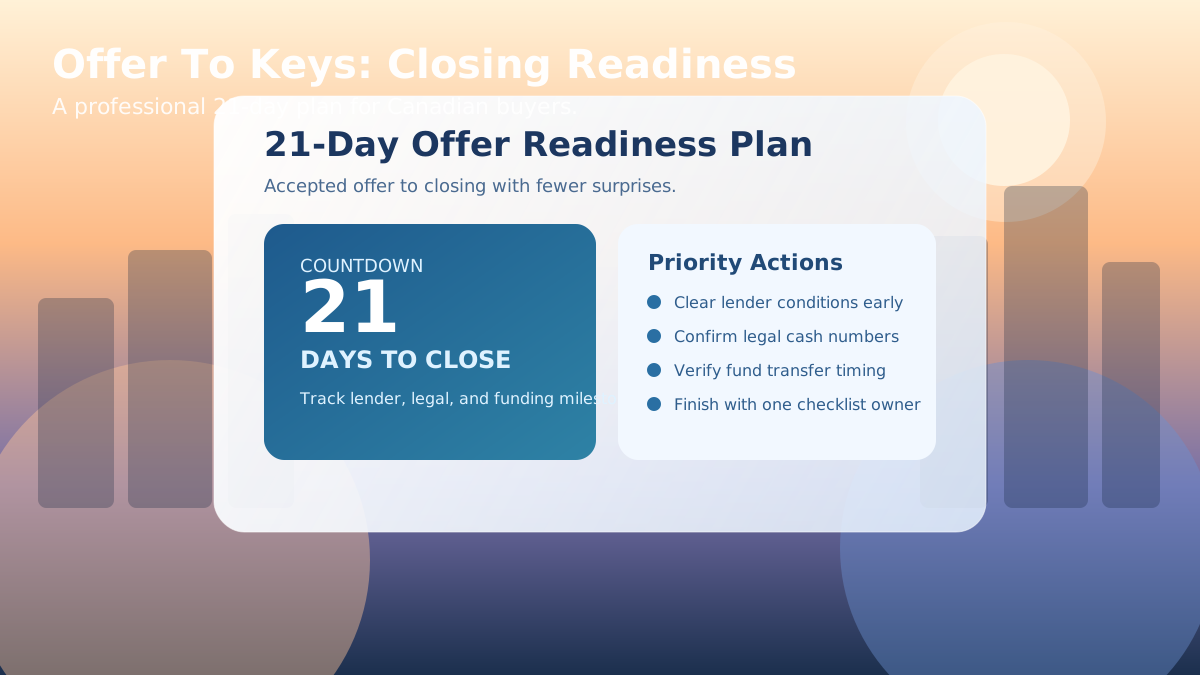
What first-time buyers should do now

Bottom line
Bill C-4 is now in a late legislative stage after clearing Senate third reading on February 26, 2026, but the rebate is not fully operational until Parliament completes final steps and Royal Assent is granted.
For now, the smartest move is disciplined planning: price range, down payment, and closing liquidity first, policy upside second.