

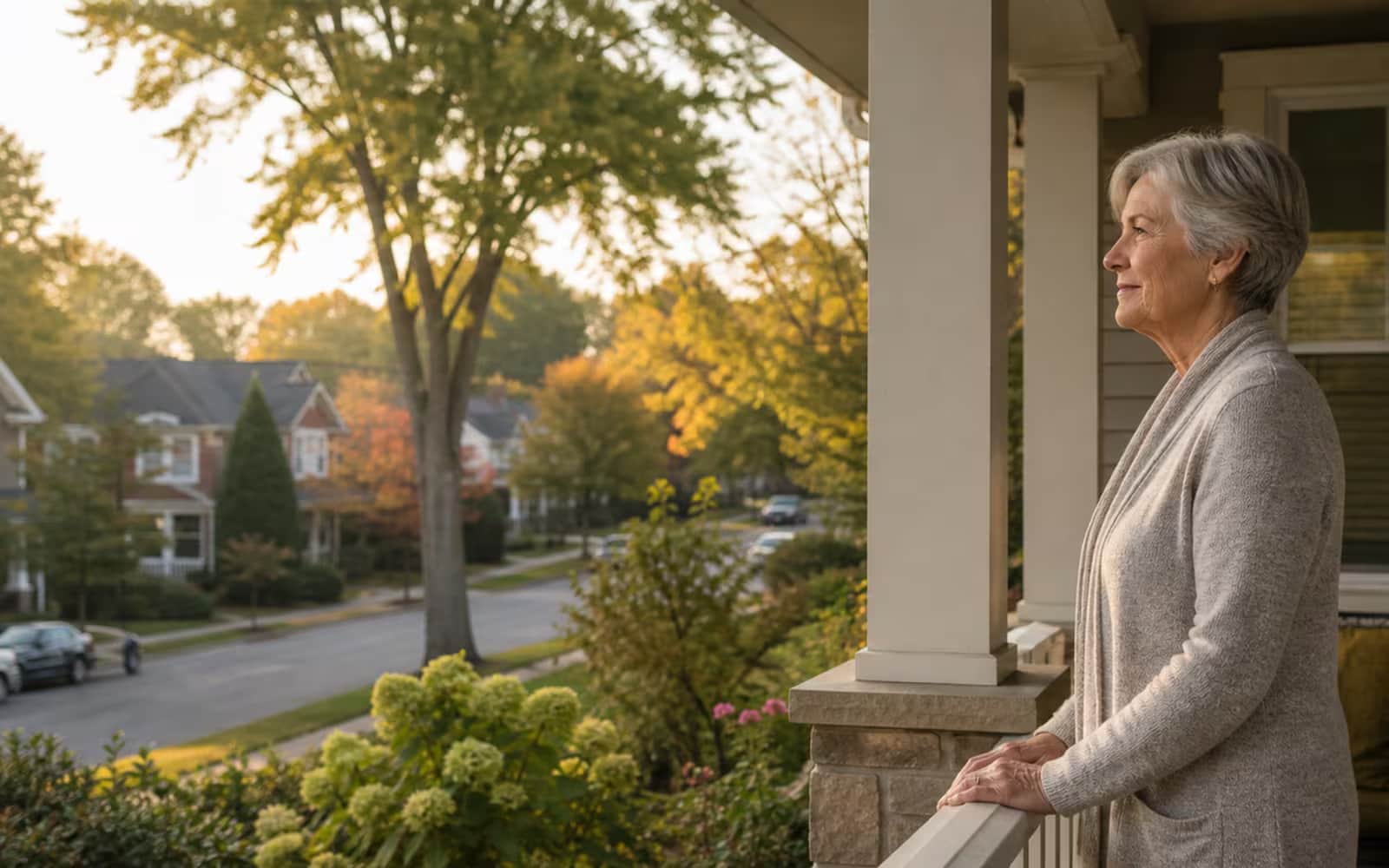
A reverse mortgage is an aging-in-place decision, not just a cash-flow decision
A reverse mortgage lets eligible Canadian homeowners borrow against home equity while continuing to live in the property, usually without scheduled monthly mortgage payments.
The tradeoff is long-term cost. Interest is added to the balance, so the decision has to be tested against cash-flow needs, occupancy plans, estate goals, and cheaper alternatives.
Who a reverse mortgage can fit
In Canada, reverse mortgage borrowing is commonly limited by age, appraised value, property type, location, existing secured debt, and lender policy. FCAC notes that the amount available may be up to 55% of the home's appraised value.
- Canadian homeowners age 55 or older who have meaningful home equity and want to remain in the property.
- Households that need retirement cash flow but do not want required monthly mortgage payments.
- Borrowers who understand that the balance grows over time and are comfortable with the estate tradeoff.
- Owners with a stable occupancy plan, an insurable property, and a realistic maintenance budget.

Who should be cautious
Reverse mortgages can be useful, but they are rarely the cheapest way to borrow against a home. The product should be pressure-tested against the expected time in the home.
- Homeowners planning a near-term sale, move, or downsizing decision.
- Borrowers whose main priority is the lowest possible borrowing cost.
- Families that need to preserve maximum estate equity or want a predictable future balance.
- Clients who can qualify for a cheaper HELOC, refinance, or smaller secured credit structure.

Costs and risks to model
The approval is only one part of the decision. Model the balance after five, ten, and fifteen years, then compare the remaining equity against your estate, care, and housing plans.
- Interest is added to the mortgage balance and compounds over time.
- Rates are usually higher than standard mortgages and may be higher than a HELOC.
- Setup costs can include appraisal, legal, administrative, discharge, and prepayment costs.
- Repayment is usually triggered by sale, moving out, death of the last borrower, or default under the contract.

Compare against alternatives
A reverse mortgage should be evaluated against a HELOC, refinance, downsizing, selling later, family support, or a smaller secured loan. The best choice depends on cash-flow need, qualification strength, timeline, and how important estate preservation is.