
An insured mortgage can open the door sooner, but the premium has to earn its place
An insured mortgage is usually required when a Canadian buyer purchases with less than 20% down. The insurance protects the lender, while the borrower pays the premium.
The right question is not only whether you can buy with a smaller down payment. It is whether buying sooner, paying the premium, and carrying the full payment is better than waiting to build a larger down payment.
When mortgage insurance applies
The insured path is common for first-time buyers, but it is not automatic. The file still has to qualify under lender and insurer rules.
- A purchase with less than 20% down is generally a high-ratio mortgage and requires mortgage default insurance.
- Canada's federal down payment rule is 5% on the first $500,000, plus 10% on the portion above $500,000 up to $1.5 million.
- Homes priced at $1.5 million or more require at least 20% down and are not eligible for high-ratio default insurance.
- The property, borrower, amortization, insurer, and lender must still meet program guidelines.
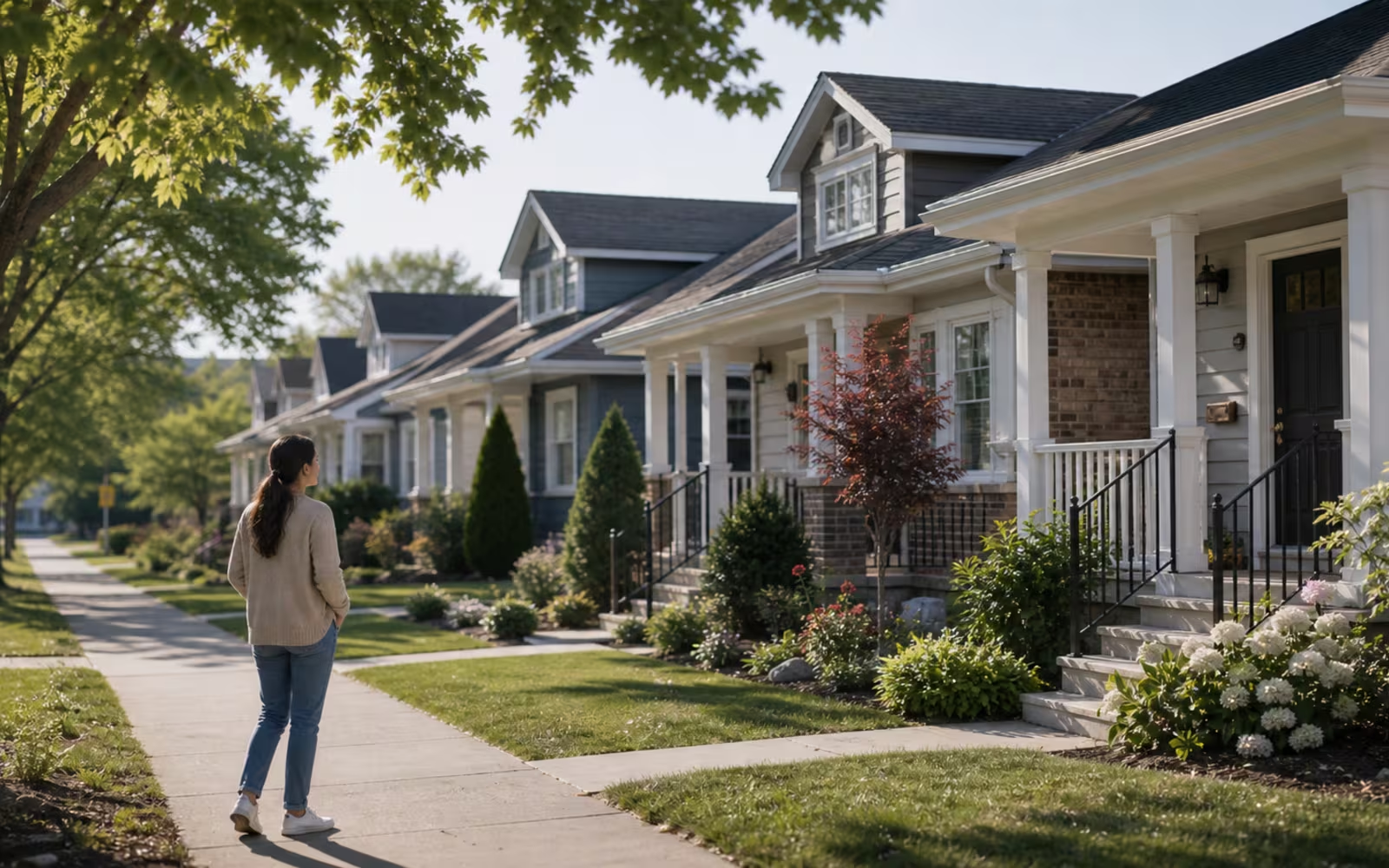
Premiums and total cost
A lower down payment can preserve cash for closing costs, moving, emergency savings, or repairs. It can also increase leverage, so the payment should be tested against real household cash flow.
- The insurance premium is usually added to the mortgage principal instead of paid entirely in cash.
- Adding the premium increases the balance, monthly payment, and interest paid over time.
- Some provinces may charge sales tax on the premium, and that tax may need to be paid at closing.
- Insured rates can sometimes price better than uninsured rates, so compare total cost, not just rate.
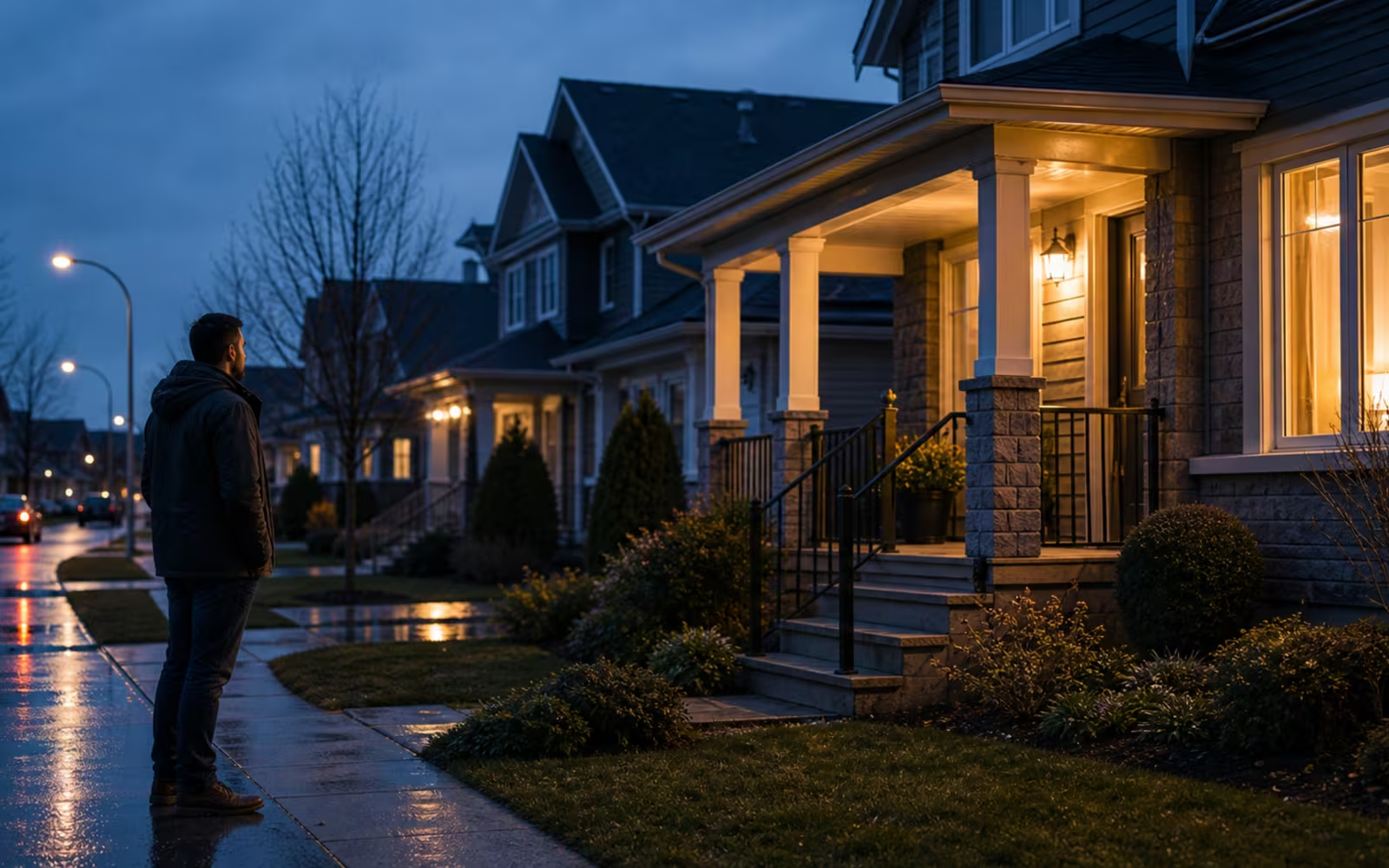
When insured beats waiting
Insured financing is not a shortcut around affordability. It is a structure for qualified buyers who are choosing between buying sooner with a premium or waiting with a larger down payment.
- The buyer can afford the payment after stress testing and still has post-closing savings.
- The target home is within insured price and property guidelines.
- Waiting for 20% down would expose the buyer to higher rent, market movement, or missed stability.
- The buyer understands that the insurance protects the lender, not the borrower.